The Miami executive says the work is built on collaboration, in-house tools, and brand activations that turn venue traffic into revenue.
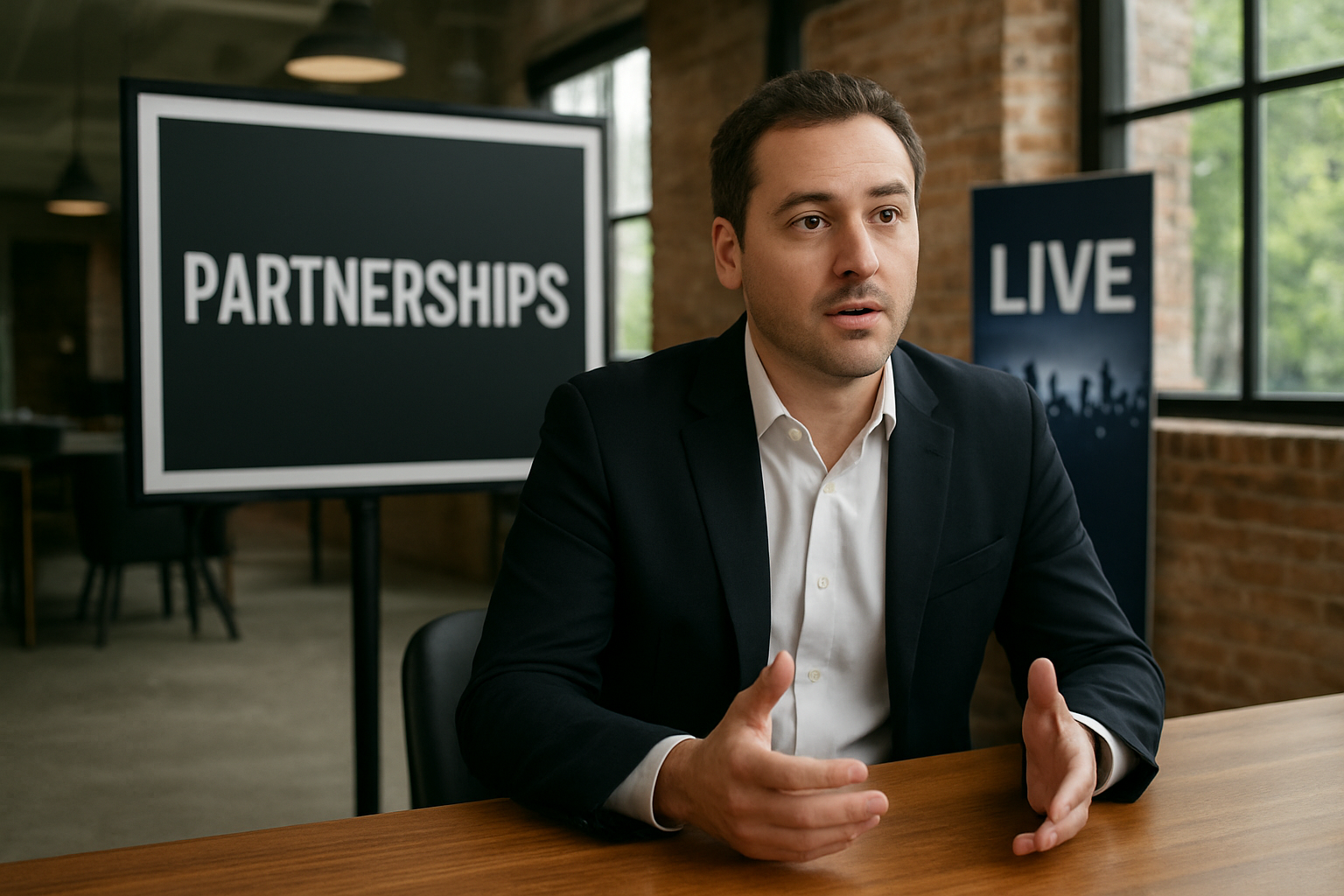
Groot Hospitality’s Director of Brand Partnerships and Activations, Gideon Amelkin, says the job is less about chasing one-off ideas than building systems that can support them. In a recent interview for Hypebot’s In The Trenches series, Amelkin laid out how the Miami-based company approaches marketing, partnerships, and on-site activations across its venues in Miami and Las Vegas.
Inside Groot Hospitality’s venue machine
Amelkin has been with Groot Hospitality for several years. He started as head of marketing and later moved into the partnerships side, where he now works closely with the company’s marketing and operations teams. His role sits at the intersection of brand deals, venue activations, and day-to-day execution.
Groot Hospitality operates a roster of premium venues that includes LIV Nightclub, Papi Steak, Komodo, Gekkō, and Casadonna. Amelkin described them as high-energy, celebration-driven rooms, with LIV booking major artists every weekend. That kind of volume demands more than a standard promotional calendar. It requires constant outreach, relationship management, and a team that can move quickly when a new opportunity lands.
What the workday actually looks like
Amelkin’s schedule is split between office work and the floor. He said he is in by 9 a.m., working through outreach, relationship building, and marketing execution tied to active partnerships. Nights and weekends are spent on site, where the activations actually happen.
That mix matters. In venue marketing, the pitch is only part of the job. The real test is whether the idea holds up when the room is full, the audience is moving, and the brand partner expects results. Amelkin’s answer suggests Groot’s model depends on that kind of hands-on follow-through.
He also pointed to the tools behind the work: AI research tools, Canva, Photoshop, monday.com, and a range of automations. The newer systems he finds most promising are the ones built in house, especially autonomous chatbots for inbound and outbound lead outreach and automated campaigns designed to drive upsells and incremental revenue.
Brand activations that fit the room
Asked about a campaign that had the most impact, Amelkin cited Groot’s DraftKings World Cup activation, which included watch parties across every Miami match. He called it a national brand tied to a local moment, and said it was genuinely fun to execute.
That answer gets to the core of the current live events business. The strongest partnerships are not just logo placements. They are built around timing, audience fit, and a clear reason for people to show up. A World Cup watch party in Miami gives a brand a live setting and gives the venue a reason to deepen engagement beyond the usual night out.
For operators, those kinds of activations can do more than fill a room. They can create repeatable revenue, strengthen sponsor relationships, and give the venue a sharper identity in a crowded market.
Why collaboration still wins
Amelkin said the part of the job that makes things easier is simple: artists at LIV know the team and are open to collaborating on new ideas. That kind of working relationship is not universal, and anyone who has spent time in live music knows how much friction can disappear when the artist side and venue side are aligned.
For executives and marketers in the business, especially those who have spent years building relationships, that line will sound familiar. The best deals rarely come from a cold pitch alone. They come from trust, repetition, and a track record that tells both sides the execution will be there when the doors open.
Amelkin’s Instagram and TikTok handle is @GideonAmelkin.