

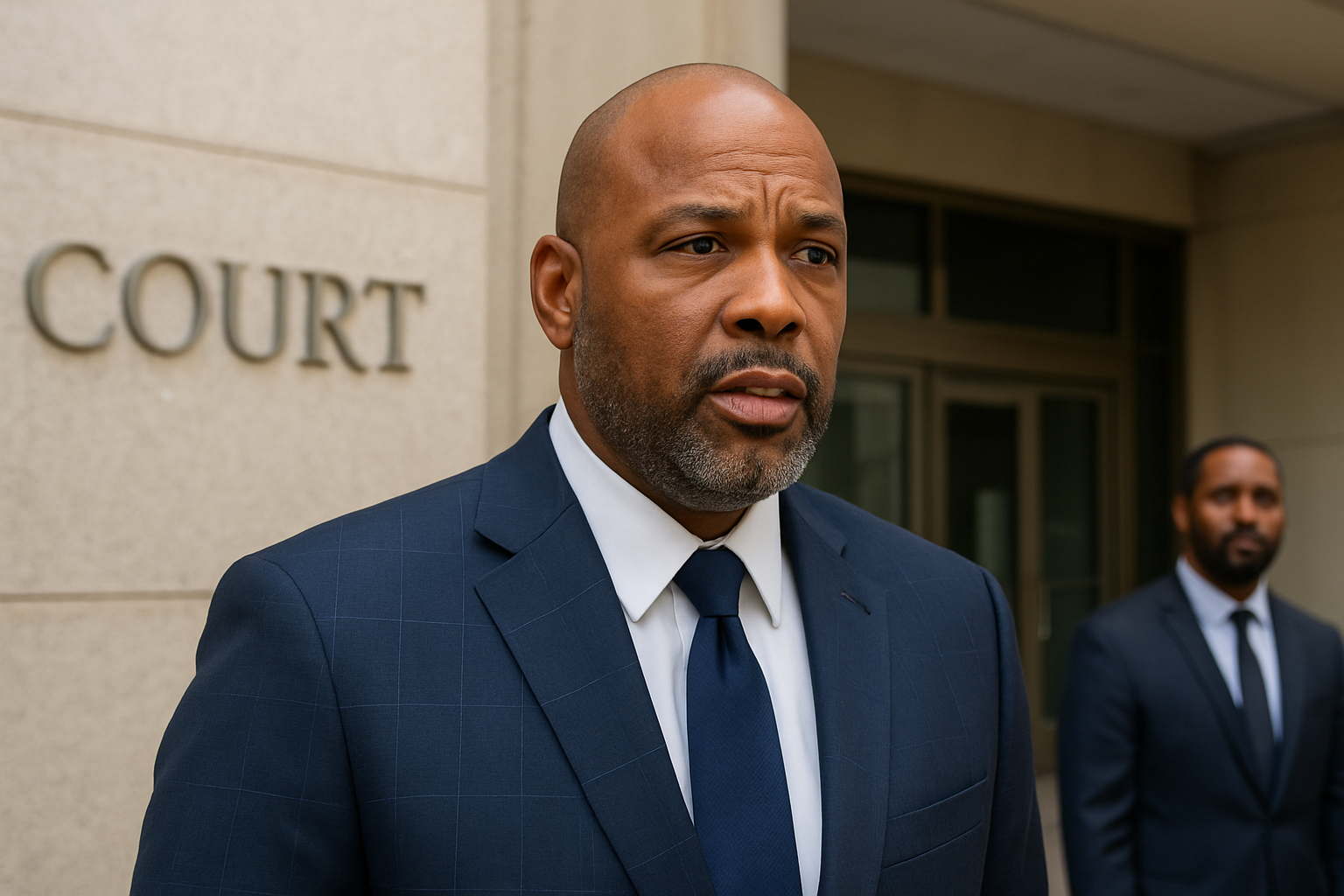
Days after a Las Vegas jury convicted him in Tupac Shakur’s killing, Duane Davis told The Hollywood Reporter he is innocent and expects to appeal.
Duane “Keffe D” Davis is not backing off his denial. In his first interview since a Las Vegas jury convicted him of first-degree murder in Tupac Shakur’s 1996 killing, Davis told The Hollywood Reporter that the case against him was built on lies, bad evidence and testimony he says was false.
The interview landed days after the verdict, which came after only about three hours of jury deliberation. Shakur’s family was in the courtroom when the decision was read and celebrated the conviction. Davis, for his part, is already looking ahead to an appeal, though he said he is not confident about the outcome.
Davis attacks the evidence used at trial
At the center of Davis’ complaint is Compton Street Legend, the autobiography prosecutors used as a key piece of evidence. Davis said he did not write the book and claimed he never read it or reviewed it before it was used against him in court.
“I never wrote that book,” he said. “The author told me to tell them 10 stories about what happened in your life and get them some pictures.” He also said the cover misspelled his name.
Davis pushed back on another piece of evidence prosecutors played at trial: his own comments from a Vlad.TV interview. He said those remarks were taken out of context and tied to a federal proffer arrangement. “I was just there making the money. I was broke,” Davis said, adding that former Death Row security chief Reggie Wright Jr. told him to go ahead and get paid.
He also accused FBI agents, police officers and prosecutors of lying on the stand. “Man, they lied about me so much. I don’t even know where to begin,” Davis said. “All those cops in there was lying like a motherfucker. The prosecutors were lying about me.”
Why he stayed off the stand
Davis said he did not testify in his own defense because his lawyer told him it could hurt any future appeal. That decision left the defense to challenge the state’s case without Davis taking the witness stand, even as prosecutors presented the memoir, interview clips and witness testimony to support their version of events.
He also rejected the image prosecutors painted of him. “I’m a good man, man. I’m a good person. I’m not no fucking killer,” he said.
Appeal plans and a federal deal argument
Davis’ lawyer plans to appeal the conviction, and Davis said he believes a prior deal with the federal government should override the Nevada state case. That argument is expected to be part of the fight ahead, though Davis said he does not think the appeal will be easy.
He had little to say about Shakur’s family, saying only that he did not like how they looked at him in court and objected to prosecutors bringing them into the back room near the jury. Davis called that “biased.”
Still, he ended on the same point he started with: “I’m innocent, man. They got an innocent man sitting in jail.” He said his grandsons, both football players with college and pro prospects, will one day help get him out.